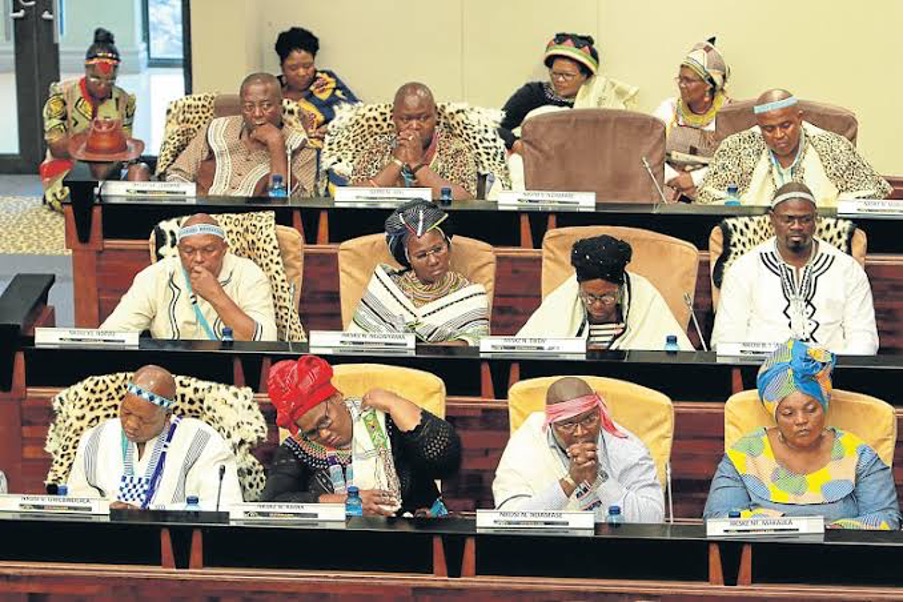
The role that women play in leadership of traditional communities can vary greatly depending on
the specific community and cultural context. However, in many traditional communities, women have
historically been involved in leadership roles and decision-making processes. In some traditional
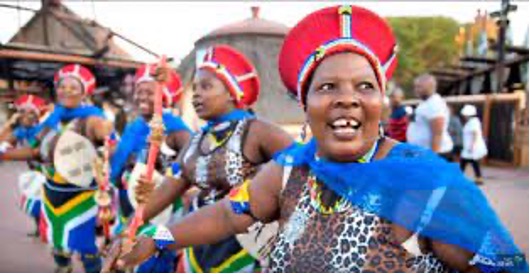
communities, women hold positions of authority and are respected as leaders. They may have
specific roles and responsibilities, such as leading community organizations or taking on
leadership positions in the family or tribal structure. Women leaders in these communities often
play a vital role in guiding and shaping community values, traditions, and practices.
However, it is important to recognize that gender roles and expectations can vary significantly
across different traditional communities. In some cases, women's leadership roles may be limited
or restricted, and decision-making power may primarily reside with men. Cultural norms and
traditions can influence women's access to leadership positions within these communities.
It is also worth noting that there has been increasing recognition and promotion of gender
equality and women's empowerment in many traditional communities. Efforts to promote and support
women leaders are gaining momentum and acknowledgement. In traditional communities, the roles of
women as rulers can vary depending on the specific cultural practices and traditions of the
community. However, in many cases, women rulers hold significant positions of power and
responsibility. Here are some common roles women may have as leaders:
•Leadership: Women traditional leaders can play a vital role in
leading their communities. They are responsible for making important decisions, resolving
conflicts, and providing guidance to their people.
• Governance: Women rulers are often involved in governance and
administration. They may oversee the allocation of resources, enforce rules, and ensure community
members adhere to traditional customs and practices.
• Mediation and Conflict Resolution: Women rulers often act as
mediators in resolving disputes within the community. They foster peace and harmony, encouraging
dialogue and finding solutions that benefit all parties involved.
• Spiritual and Cultural Guidance: Women rulers are considered
custodians of cultural and traditional knowledge. They are often responsible for preserving
ancestral customs, rituals, and ceremonies. They provide spiritual guidance, connect and bring the
community together through promoting and preserving these traditional and cultural customs.
Recognizing women as leaders of traditional communities is important for several reasons:
Women make up roughly half of the population, and their voices and perspectives are crucial for
balanced decision-making. By recognizing women as leaders, we ensure that their viewpoints are
heard and taken into account, leading to more inclusive and representative governance. Empowering
women as leaders helps address gender inequalities that may exist within traditional communities.
It promotes the idea that women are equally capable of leadership roles and deserve the same
opportunities, rights, and responsibilities as men, challenging traditional gender norms.
They often bring different leadership styles, skills, and approaches compared to their male
counterparts. Their unique experiences and perspectives can contribute to innovative
problem-solving, consensus-building, and nurturing community development. Studies have shown that
diverse leadership teams tend to produce better outcomes. Recognizing women as leaders brings a
diverse range of talents, ideas, and knowledge to the decision-making process. To support women in
their roles as traditional leaders of communities, we need to provide them with leadership
training and educational opportunities to enhance their skills and knowledge in their traditional
roles. This can include workshops, mentoring programs, and capacity-building initiatives.
• Representation: Ensure women have equal representation in
decision-making processes and community structures. This can be done by encouraging women's
participation in local governance, community boards, and other leadership positions.
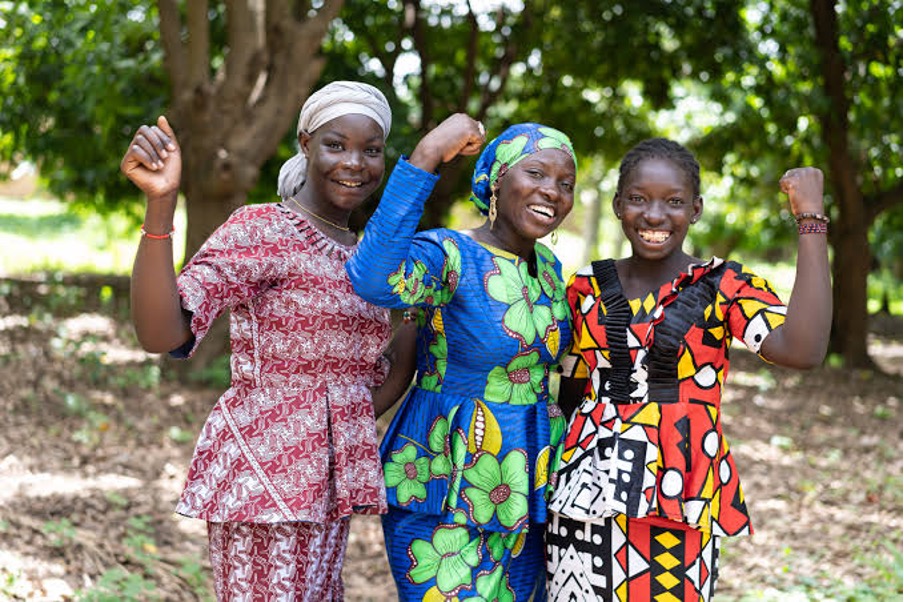
• Recognition and validation: Recognize and value the
contributions of women leaders by highlighting their achievements and acknowledging their role in
community development. This can be done through public events, awards, and media coverage.
• Networking and collaboration: Facilitate networking
opportunities for women leaders to exchange ideas, share best practices, and support each other.
This can include creating platforms for dialogue, conferences, and establishing networks or
support groups.
By eliminating these barriers and biases: Addressing any cultural, social, or legal barriers that
women are faced with as critical role players or leaders in the development and progression of our
society
–we give them the opportunity to be empowered and motivated to change the circumstances of their
communities for the better.